

Why Recovery Is Preventive Medicine and How to Build It Into Your Wellness Plan
Recovery isn’t a reward; it’s a strategy that helps you feel and perform your best.
Many people treat recovery as something earned after hard work. They push through workouts despite fatigue or soreness. But recovery isn’t a prize or a luxury.
Recovery is a daily, proactive practice that helps protect your health span, reduce burnout, lower injury risk and support long-term function. When recovery becomes part of your plan, you give your body the support it needs to restore and grow stronger.
Have you noticed poor sleep, persistent fatigue, twitchy muscles, mood shifts or unexplained changes in body composition? These may feel common, especially in midlife, but they may also signal that your body needs more intentional recovery support.
At Flowers Medical Group, we view recovery as a core clinical priority. Our longevity-focused approach considers how your body repairs, restores and builds resilience over time as an important part of preventive medicine.
What the Body Actually Does During Recovery
Recovery is active work happening beneath the surface.
When your body has adequate time and support, it repairs tissue, builds muscle, regulates hormones, restores nervous system balance and helps control inflammation. These processes support physical performance, immune resilience, energy production and mental clarity.
Sleep, rest and low-stress periods give the body space to complete the repair work that healthy habits begin. Exercise creates a stimulus. Nutrition provides building blocks. Recovery helps the body use those signals and resources.
Chronic stress and overtraining can disrupt this process. Even when you eat well, exercise consistently and take supplements, an under-recovered body may not fully benefit from those efforts.
Recovery isn’t the absence of effort; it’s what makes that effort effective.
Why Most People Are Under-Recovered
Under-recovery often builds gradually.
You may feel tired but keep going. You may sleep less during busy weeks. You may rely on caffeine, skip downtime or push through soreness because slowing down feels unrealistic.
Over time, these habits can erode recovery capacity.
Common signs may include
- Poor sleep quality
- Persistent fatigue
- Mood changes
- Difficulty losing or maintaining weight
- Frequent illness
- Slow recovery from minor injuries
- Feeling worn down despite healthy habits
Long work hours, screen exposure, alcohol, chronic low-grade stress and high training intensity can all affect how well your body recovers.
This doesn’t mean you’re doing something wrong. It means your body may need a more intentional recovery strategy.
Identifying patterns that limit recovery is part of preventive, longevity-focused medicine. The goal is to understand what your body needs and develop a plan that supports resilience over time.
Recovery Tools at Flowers Medical Group
Recovery is layered. No single therapy replaces a comprehensive plan.
Recovery tools should be matched to your goals, health history and individual needs. Premium services, such as those offered by Flowers Medical Group, may support recovery as part of a broader, personalized wellness strategy. These may include the following.
Hyperbaric oxygen therapy uses pressurized oxygen to support tissue oxygenation and cellular repair. It may be helpful for patients seeking additional recovery support after physical stress, inflammation or periods of high demand.
Red light therapy supports cellular energy by interacting with mitochondria, the energy-producing structures inside your cells. It may also support skin regeneration and help regulate inflammatory processes at the cellular level.
HAELO PEMF therapy uses pulsed electromagnetic field technology to support circulation, nervous system regulation and cellular recovery. Many patients find PEMF sessions calming and restorative.
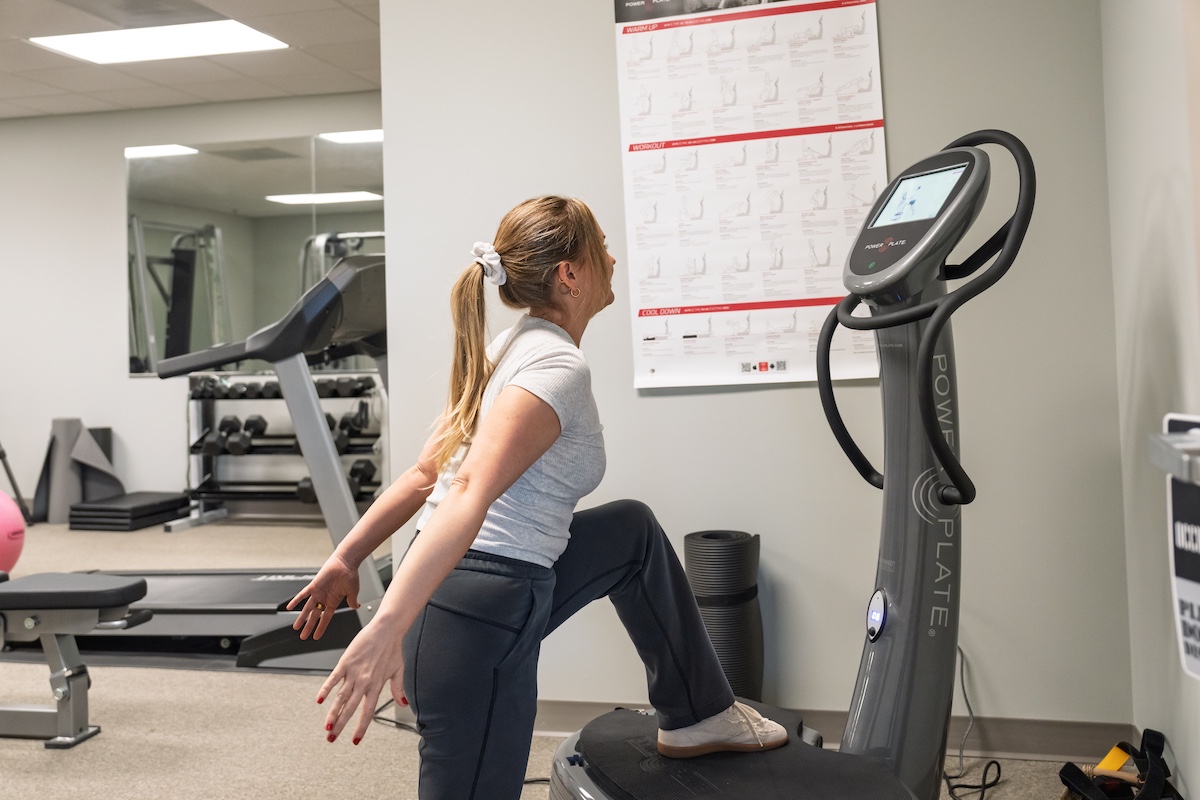
Power Plate uses whole-body vibration to support circulation, lymphatic flow and muscle recovery. It can be part of an active recovery strategy for patients seeking movement-based support without adding significant physical stress.
IV therapy may also support recovery by providing targeted nutrient replenishment when additional cellular support is appropriate.
To learn how the Flowers Medical Group team can help you choose an evidence-based recovery plan, schedule your consultation today.
Who Benefits Most From a Structured Recovery Plan?
A structured recovery plan can benefit active adults who want to perform well and reduce their risk of injury, as well as those managing demanding careers, caregiving or chronic stress.
In midlife, protecting energy, strength and resilience becomes increasingly important, especially when the goal is a long-term health span.
Recovery plans may also support healing after surgery, illness or extended periods of stress.
Sometimes, recovery support matters most when you feel like you are doing everything “right” but not seeing results, which may signal the need for a more personalized approach.
Building Recovery Into Real Life
Start with sleep. Consistent sleep and wake times, sufficient total sleep and a calm environment make a meaningful difference.
Nutrition matters. Adequate protein, hydration, anti-inflammatory foods and steady intake support tissue repair and energy levels.
Breath work can regulate the nervous system within minutes. Gentle movement and time outdoors support circulation and stress balance without extra strain.
Small actions compound. You don’t need a perfect routine, just consistent habits your real life can support.
Recovery as Part of a Longevity-Focused Plan
Health span means maintaining energy, clarity, resilience and physical function as you age.
How well your body recovers today influences how it functions years down the road, which is why proactive recovery belongs in a longevity-focused plan.
At Flowers Medical Group, recovery is integrated with hormone optimization, nutritional support, functional medicine evaluation and personalized wellness planning.
The goal is to support natural repair and build a plan that evolves with you.
Build Your Recovery Plan
Recovery is not optional; it helps protect long-term function.
Your ideal plan depends on your goals, stress, sleep, nutrient status, activity level and health history.
If you are ready to stop pushing through fatigue and support your body more intentionally, explore what proactive recovery could look like for you. Schedule a wellness consultation with Flowers Medical Group.